Catford Bridge Station collection and drop off guide for removals
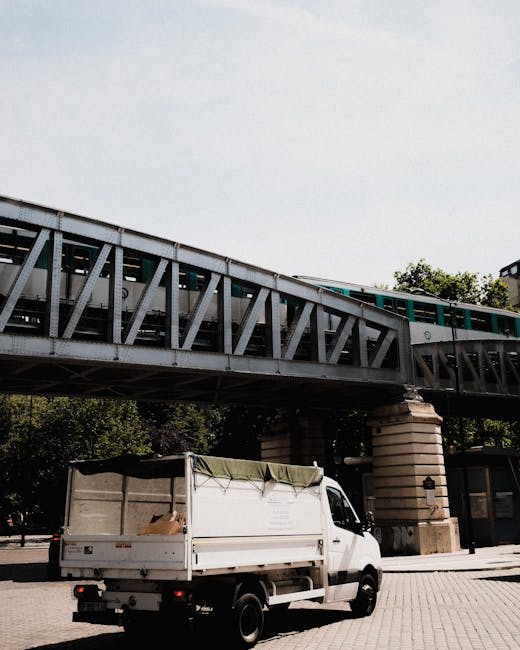
Trying to organise a move around Catford Bridge Station can feel simple right up until the van arrives and you realise there's nowhere easy to stop, the pavement is busy, and everyone seems to need the same patch of road at once. That is exactly why a Catford Bridge Station collection and drop off guide for removals matters. Whether you are moving a flat, shifting office boxes, collecting furniture, or arranging a same-day removal, a few smart decisions can save time, stress, and a lot of awkward circling. In this guide, we'll walk through the practical side of planning a collection or drop-off near the station, what to expect, and how to make the job smoother from start to finish.
Quick expert summary: The best removals around Catford Bridge Station usually come down to timing, clear loading plans, and choosing the right vehicle size. Small mistakes near stations become big delays fast. Plan the stop, protect access, and keep the handover simple.
Why Catford Bridge Station collection and drop off guide for removals matters
Catford Bridge Station sits in a busy part of south-east London, which means moving vehicles, pedestrians, buses, rail users, and local traffic are all competing for space. If you are collecting items, unloading a van, or meeting a removal team there, the challenge is not usually the lifting itself. It is the logistics around the lift.
That is the bit people underestimate. A well-planned collection can be quick and tidy. A poorly planned one becomes a chain reaction of delays: someone can't find the stop, the van blocks a tight access point, boxes are carried farther than expected, and suddenly the move drags on. To be fair, it only takes one awkward arrival time to throw the whole thing off.
This guide is useful because station-area removals often involve:
- limited stopping time
- busy footpaths and passing traffic
- short windows for loading or unloading
- more walking distance than expected between vehicle and property
- heightened need for clear communication between mover and customer
If you are already comparing moving options, it may also help to look at a flexible man and van service for smaller jobs, or broader removal services if the move is more involved. And if your move is part of a full home relocation, the detail in home moves can be especially useful.
How Catford Bridge Station collection and drop off guide for removals works
In plain English, the process is about getting the right vehicle to the right place at the right time, then keeping the handover as efficient as possible. For station-based collections and drop-offs, that means thinking through approach routes, access, and the sequence of loading.
Here is the practical version. A driver or mover will usually need:
- a clear meeting point
- an idea of how long loading or unloading should take
- instructions about stairs, lifts, or narrow entrances
- knowledge of whether any bulky items need two people
- safe space to pause without creating a nuisance or risk
If you are collecting larger furniture, there is a real difference between a quick pick-up and a full removal. Something like furniture removals or even furniture pick-up is often more suitable than trying to squeeze everything into a rushed station stop.
Many people also ask whether a small vehicle is enough. Sometimes yes, sometimes no. That depends on the number of items, the route from the station stop to the property, and whether you are moving in one trip or several. If the load is a bit heavier, a removal van or even a moving truck may be the better fit. Nobody wants a second trip if it can be avoided. Well, unless you enjoy standing on a pavement with a kettle, a lamp, and a slightly worried expression.
Key benefits and practical advantages
Doing this properly gives you more than convenience. It changes the whole tone of move day. Less scrambling, less lifting in the wrong place, fewer awkward delays. And yes, the small things really do add up.
- Faster loading and unloading: A planned stop near Catford Bridge Station reduces time wasted looking for the right place to park or unload.
- Less stress: Everyone knows where to stand, what is moving first, and where items are going.
- Lower risk of damage: Fewer rushed carries mean fewer knocks on walls, doors, and furniture.
- Better use of the vehicle: The right size van or truck prevents wasted journeys and awkward stacking.
- More predictable costs: Efficient access often helps keep the job within the planned time window. If you want to understand pricing structures in more detail, see pricing and quotes.
There is another benefit people forget: good access planning makes the crew calmer. Calm crews work faster. You can hear the difference, honestly, in how a move sounds - less calling back and forth, fewer heavy objects thudding down, more of that neat, organised rhythm that means things are going to plan.
For move types where timing is especially tight, same-day removals can be a sensible option, though only if access is realistic and the load has been planned properly.
Who this is for and when it makes sense
This guide is for anyone arranging a collection or drop-off close to Catford Bridge Station, especially when the job involves tight timing, limited space, or items that are too much for a car boot. It is not just for large house moves. In fact, some of the most stressful station-side jobs are the smaller ones, because people assume they will be quick.
You will find this most useful if you are:
- moving into or out of a flat near the station
- collecting second-hand furniture
- dropping off boxes for storage
- moving student belongings at short notice
- handling office equipment or stock
- booking a van for a single-item or multi-item pick-up
For smaller flats, flat removals can be a better fit than a generic transport job, because flats often bring stairwells, tight hallways, and awkward corners into the picture. If your move is more like a one-room clear-out or a few large items, man with a van is often the practical middle ground.
Students often need this kind of service at the last minute, especially around term changes, so student removals can be worth considering when speed and budget both matter. And if you are moving business items, the planning logic is closer to commercial moves than to a typical household job.
Step-by-step guidance
If you want the move to feel tidy rather than chaotic, follow this sequence. It looks simple on paper, but it works.
- Confirm the exact collection or drop-off point. Do not assume the station name alone is enough. Decide where the vehicle should wait, where the handover happens, and which entrance is easiest to use.
- Check what is being moved. List the number of bags, boxes, and larger items. A piano is not a box, obviously, but even a heavy mirror or wardrobe can change the plan. For delicate or specialist loads, piano removals and other specialist handling services are worth looking at.
- Match the vehicle to the load. A compact job may suit man with van, while a larger household move might need something closer to removal truck hire.
- Make access easy. Clear the doorway, reserve lift space if relevant, and move anything fragile out of the path.
- Pack in the right order. Keep essentials separate and label anything that must come off first. The best packing systems are not fancy; they are just consistent. If you need help, packing and boxes and packing and unpacking services can take the edge off.
- Give the driver a realistic time window. Five minutes and twenty-five minutes are very different things in a station setting.
- Walk the route before loading if possible. A quick look can reveal steps, kerbs, locked gates, or a tighter corner than you expected.
- Confirm the end destination. If items are going into storage, plan that separately rather than treating it as an afterthought. See storage if you need a short- or medium-term solution.
That's the skeleton of it. Simple enough, but each step cuts down on the little surprises that usually eat time.
Expert tips for better results
After plenty of moves, the same lessons tend to show up again and again. Not glamorous, just effective.
1. Aim for a quiet window
Earlier in the day is often easier, particularly near transport hubs where footfall builds quickly. Even a modest shift in timing can mean easier loading and less pressure from passing traffic.
2. Keep the load grouped by priority
Do not mix items that need to come off first with things you can leave until last. If you do, the unloading order becomes a puzzle nobody asked for.
3. Photograph awkward items before moving
This is especially helpful for furniture with existing marks, glass tops, or tight-fit parts. It is a small habit, but a useful one.
4. Leave a buffer for station-area delays
Traffic near Catford Bridge can change quickly. A few extra minutes built into the plan makes the job feel much less brittle. Truth be told, buffers are boring until they save the day.
5. Ask about insurance and handling standards
A reputable mover should be able to explain how items are protected and what happens if something unexpected occurs. For more on this side of the service, see insurance and safety and the company's health and safety policy.
Another practical point: if you are moving from a home where the old furniture is not worth taking, it can be sensible to clear it separately. Furniture removals are not always the same thing as a full household move, and separating the jobs can sometimes make both cleaner and cheaper.
Common mistakes to avoid
Most removal problems near stations are avoidable. The trouble is, they tend to look small at the start.
- Assuming parking will sort itself out: It rarely does. Always decide where the vehicle can safely stop.
- Underestimating walking distance: Ten extra metres carrying a washing machine or three heavy boxes feels a lot longer than it sounds.
- Not measuring large items: A sofa that nearly fits is not the same as a sofa that fits.
- Packing without labels: This makes unloading slower and riskier.
- Booking too small a vehicle: That one is common. The second trip looks harmless in theory. In practice, it eats time.
- Ignoring special items: Mirrors, plants, instruments, and fragile electronics all need attention.
One more thing people miss: if you are moving from a business premise, office stock, or a shared workspace, the access rules may be different from a normal home move. It helps to think through the building's own rhythm, not just the vehicle side. For that kind of move, office removals or office relocation services are usually more appropriate than improvising.
And yes, the classic mistake still happens: people remember the boxes, then forget the tape. It happens more often than anyone admits.
Tools, resources and recommendations
You do not need a lot of fancy kit, but the right basics make a station-area removal feel far more controlled.
- Strong tape and markers: Good for sealing and labelling boxes clearly.
- Protective blankets or wraps: Useful for furniture edges and fragile surfaces.
- Step-by-step item list: Helpful for checking nothing gets left behind.
- Phone photos of the load: Ideal when you need to explain the job quickly to a mover.
- Simple room-to-room plan: Especially useful when the delivery point is a flat or office with separate zones.
If you want support with the packing stage, packing and unpacking services can save a huge amount of time, particularly if the move involves a deadline. For heavier household jobs, house removals and house removalists are more comprehensive options. If you are only moving a few bits and pieces, a removal van might be all you need.
It is also worth looking at the company's general approach to service and standards. Pages such as about us, recycling and sustainability, and payment and security can help you judge whether the provider feels organised and trustworthy.
Law, compliance, standards, or best practice
For removals around a station, the most important compliance issue is usually safe loading and unloading. Exact rules can vary depending on location, vehicle size, time of day, and local restrictions, so it is sensible to check access arrangements in advance rather than assuming anything. A good mover should work in a way that reduces risk to pedestrians, staff, customers, and property.
Best practice usually includes:
- not blocking pavements or access points unnecessarily
- keeping the loading area as clear as possible
- lifting items safely and using the right number of people
- protecting fragile items and building surfaces
- being clear about insurance, responsibility, and limits before the move starts
For customers, the practical version is simple: make the access instructions accurate, share any hazards early, and do not leave the crew guessing. If a building has lift restrictions, narrow stairways, or time-specific entry rules, say so. No drama, just honesty. That saves everyone trouble.
If you are comparing providers, it is sensible to review their terms and conditions too. The terms and conditions help set expectations around booking, timing, and service scope, while the complaints procedure gives you another clue about how professionally issues are handled.
Options, methods, or comparison table
Choosing the right method depends on the size of the job, the time available, and how much handling support you need. Here is a straightforward comparison.
| Option | Best for | Pros | Watch out for |
|---|---|---|---|
| Man and van | Small loads, quick collections, a few bulky items | Flexible, usually efficient, good for station-side stops | May not suit very large or awkward moves |
| Removal van | Medium-sized loads with multiple boxes and furniture | More capacity, better for organised loading | Needs clearer access planning |
| Moving truck | Large household or commercial removals | Higher capacity, fewer trips, better for bigger loads | Harder to manoeuvre in tight spaces |
| Storage drop-off | Temporary holding, staging a move, delayed delivery | Flexible timing and fewer items on move day | Needs label discipline and a clear retrieval plan |
If you are unsure which route to take, start with the load itself. Size, fragility, distance from the station stop, and timing are usually the deciding factors. More often than not, the job tells you what it needs if you look at it honestly.
Case study or real-world example
Here is a realistic example. A couple moving out of a one-bedroom flat near Catford Bridge Station needed to clear furniture, six boxes, two suitcases, and a small table. On paper it looked like a quick job. In practice, the building had a narrow stairwell, the front door opened onto a busy path, and the sofa had to be turned twice to clear the corner.
Instead of rushing in with a vehicle that was too small, they chose a mid-sized removal van and agreed a short loading window in advance. The boxes were packed first, the table was wrapped, and the sofa came out last with two people lifting. The whole job stayed neat because the access plan was clear before anyone started.
The difference was not just the vehicle. It was the sequence. That matters a lot. A move like that would have gone wrong if the team had arrived without knowing which items were awkward, where the stop was meant to happen, or how long the handover would take. Small details, big difference.
That same approach works just as well for single-item collections, student moves, or storage drops. If the stop is tight and the timing matters, plan the rhythm first. Then move.
Practical checklist
Use this before the vehicle arrives. It is a simple checklist, but it saves bother.
- Confirm the exact collection or drop-off location
- Share the full item list and highlight anything heavy or fragile
- Measure oversized furniture and doorways if needed
- Choose the correct vehicle size
- Check access for stairs, lifts, gates, and narrow paths
- Pack and label boxes clearly
- Keep essentials separate from the main load
- Prepare blankets, tape, and wrapping materials
- Allow a time buffer for station traffic and loading delays
- Review safety, insurance, and terms before the move
- Keep your phone charged and available on the day
- Have the final destination ready to receive the load
If you are still deciding what kind of service fits, you can compare options like removals, removal services, and man and van before you book. Sometimes the simplest option is the best one. Sometimes. Not always, but often enough.
Get a free quote today and see how much you can save.
Conclusion
A good Catford Bridge Station collection and drop off guide for removals is really about control. Control over timing, access, vehicle choice, and the little details that make a move smooth rather than stressful. Near a busy station, that control matters even more because space is tight and the margin for error is small.
The good news is that you do not need to overcomplicate it. A clear handover point, the right vehicle, proper packing, and a realistic time window will solve most of the headaches before they start. Add in a mover who understands local conditions, and the whole thing becomes much easier to live with.
And honestly, that is the goal. A move does not have to feel like a battle. With the right plan, it can feel calm, efficient, and surprisingly manageable. A bit of breathing room goes a long way.
Frequently Asked Questions
What is a Catford Bridge Station collection and drop off guide for removals?
It is a practical planning guide for arranging loading and unloading near Catford Bridge Station, with a focus on access, timing, vehicle choice, and safe handling.
Why does moving near a station need special planning?
Station areas are often busier, tighter, and less forgiving than quiet residential streets. A small access issue can quickly turn into a delay if the plan is not clear.
Is a man and van service enough for a station collection?
Often yes for smaller loads, single items, or short-distance moves. If you have bulky furniture or lots of boxes, a larger vehicle may be more suitable.
How far in advance should I book a removal around Catford Bridge Station?
As early as you can, especially if you need a specific time window. That said, some smaller jobs may still work well as same-day removals if the access is straightforward.
What should I tell the mover before the job starts?
Share the exact location, item list, access details, any stairs or lift issues, and whether anything is fragile or unusually heavy.
Can I use storage if I am not ready for delivery yet?
Yes. Storage can be useful if your move-in and move-out dates do not line up neatly, or if you want to split the job into stages.
How do I avoid damage during collection or drop-off?
Pack carefully, label fragile items, protect furniture corners, and make sure the route between the vehicle and the property is clear.
What type of move is this closest to?
It may be a simple furniture pick-up, a flat removal, a home move, or a commercial move, depending on what is being moved and how much handling is needed.
Do I need specialist help for heavy or awkward items?
Yes, if the item is large, valuable, delicate, or difficult to carry safely. Specialist support can reduce the risk of injury and damage.
How can I make a station-area move faster?
Prepare the items in loading order, keep access clear, give exact instructions, and choose the right vehicle size the first time.
What should I check before agreeing to a removals booking?
Review the service scope, safety approach, payment terms, and what happens if access changes on the day. It is also sensible to check the company's insurance and safety information.
Is this guide useful for student moves too?
Very much so. Student moves often involve tight deadlines, mixed item sizes, and last-minute timing, which makes good planning especially helpful.