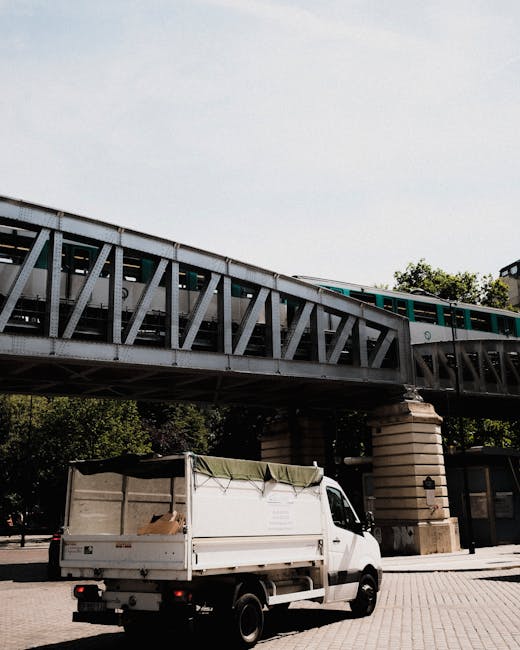
Man With A Van in Catford

Man With A Van Catford provides a practical moving and transport service for households and businesses that need items lifted, carried and delivered with care. The work can suit single-item collection, part-load moves, local relocations and straightforward transport where a full lorry is more than is needed. The focus is on sensible handling, clear coordination and a straightforward service shape that helps customers move furniture, boxes and other belongings without unnecessary complexity.
Our service is built around the type of job that benefits from a smaller, flexible vehicle and a direct loading approach. That can include furniture pick-up, moving smaller home contents, carrying office items between locations, or helping with the transport side of a move when packing and loading need to be kept efficient. For many customers, the value is in having one clear arrangement rather than coordinating several separate collections.
If you are planning a move in Catford, use the sections below to see the main service choices and how they fit different kinds of loads. When you are ready, request a quotation and share the details of what needs moving so the job can be assessed properly.
Home moving and household removals

House moves usually need more than just transport. They also need the right order of loading, a sensible route between properties and enough space for the items that matter most. Our home moving service covers smaller residential moves, partial contents moves and practical household removals where a full-scale removal vehicle is not essential. This makes it suitable for flats, smaller homes and transfers where the job is compact but still deserves careful handling.
We treat household transport as a task that benefits from planning rather than guesswork. Sofas, beds, tables, white goods and boxes all behave differently on the vehicle, so the load needs to be arranged to reduce shifting and make unloading straightforward. If a move includes awkward access, stairs or items with special handling needs, it helps to note those points early so the day can be organised in a sensible way.
For many customers, a home move is simplest when the service is clear about what is being collected, where it is going and which items need extra attention. Part-load house removals can be especially useful where the load is modest but still too bulky for a car. If that sounds closer to your situation, take a look at the broader home moves option and decide whether the move is best handled as a full household transfer or a smaller transport job.
House removals for local and short-distance moves

House removals can cover a wide range of practical work, from moving the contents of a single room to helping with a more complete home changeover. The key is to match the load, vehicle space and timing to the volume of belongings involved. Where the move is local and the inventory is manageable, a van-based removal can be a straightforward way to keep the job efficient without paying for more capacity than is required.
We can help with the main transport element of a domestic removal, including loading and unloading support for furniture, packed boxes and everyday household goods. Some customers prefer to keep the move simple, with a single collection and delivery. Others need the work split between locations, or need a careful sequence so the most useful items come off first. In either case, clear access information and a sensible understanding of the load help the day run smoothly.
When comparing service pages, it may help to distinguish between a broader removal and a more compact van job. If you are still deciding how much help you need, the house removals page is a useful place to review the scope before asking for a quote. Keep your own list of the main items ready, because a concise inventory makes it easier to judge size, timing and vehicle suitability.
Furniture pick-up and single-item transport

Not every job is a full move. Furniture pick-up is a practical choice when you have bought, sold or rearranged an item that needs lifting and transport but does not justify a large removal operation. That might include beds, wardrobes, tables, chairs, cabinets or other bulky pieces that are awkward to move in a normal car. The emphasis is on safe loading, sensible securing and getting the item where it needs to go without fuss.
This type of work often benefits from a van service because one large item can take up more usable space than people expect. A careful pick-up service leaves room for blankets, straps and sensible loading gaps where needed, which helps protect the item and the vehicle interior. If access is tight at either end, it is worth mentioning any steps, narrow hallways or parking limits so that the collection can be planned properly.
For related collections and smaller transport jobs, the furniture pick-up page gives a clear route into that part of the service. If you only need one or two items moved, a short written enquiry is usually enough to start the quotation process. A simple description of the item, collection point and delivery point is often all that is required.
Office removals and commercial moves
Office removals need a different rhythm from domestic work, even when the overall load is modest. Desks, chairs, filing units, computer equipment and boxed documents often need to be moved in a set order so the business can continue operating with as little disruption as possible. A van-based office move can be a sensible option when the relocation involves a small suite, an individual work area or equipment that does not require a larger fleet.
Commercial moves may also involve moving items between floors, taking furniture to storage or shifting selected contents while the rest of the workplace remains in use. That makes organisation important. It helps to separate essential items from general stock, note fragile equipment and clarify whether the move includes dismantling or only transport. If the job has several destinations or a staggered handover, the route should be explained clearly before the work is booked.
For businesses weighing up the right type of support, office removals can sit alongside a broader commercial plan, especially where the move is small but time-sensitive. A concise quotation request should cover the number of workstations, any bulky pieces and the expected access at both sites. Use plain terms and avoid padding the enquiry; the useful details are usually the load, the route and the timing.
Packing support, loading and practical preparation

Some customers want transport only, while others need more support around the edges of the move. Packing and unpacking services can help when boxes need to be prepared properly, fragile items need protection or a job is easier when the load is grouped in a consistent way. The aim is not to overcomplicate the move, but to make the handover between property and vehicle as orderly as possible.
Useful preparation is usually simple.
- Group similar items together so the load is easier to estimate.
- Keep small valuables and essential documents separate from the main move.
- Check access, parking and any loading restrictions in advance.
- Label boxes clearly if they need to be unloaded in a particular order.
Where packing support is needed, the relevant page is packing and unpacking services. That can be useful for customers who want the contents handled in a more structured way before transport. When you request a quotation, it is enough to say what needs packing, what is already boxed and whether there are fragile or awkward items that call for extra care.
Pricing factors and quotation details
Every removal or transport job has its own combination of size, access and handling needs, so quotations are usually shaped by a few practical factors rather than a single fixed rule. The amount to be moved, the distance between addresses, the number of load points and the time needed for loading all affect the scope. Items that are heavy, fragile or awkward may also influence how the job is planned.
It helps to think of a quotation as a working outline rather than a guess. Clear details make it easier to match the vehicle and the time needed to the task in hand. If the move includes stairs, limited parking, tight access or a stop at more than one address, those points should be mentioned from the outset. That way the quotation can reflect the actual work instead of relying on assumptions that may not fit the job.
For a fuller view of how enquiries are handled, see the pricing and quotes page. If you are comparing options, a well-described load is the most useful starting point. A short list of what is moving, where it is going and whether there are any access limits is normally enough to begin.
About Catford
Catford is a district in south London within the London Borough of Lewisham, centred around Catford Road and the busy junctions that shape the local town centre. The area grew significantly with suburban expansion in the late nineteenth and early twentieth centuries, and much of its present character comes from that period of growth. It is known for a mix of civic buildings, shopping streets and residential roads, with the busy central area sitting alongside quieter terraces and side streets that extend away from the main traffic routes. One of its best-known landmarks is the Catford Cat, a large fibreglass cat sculpture mounted above a former department store site, which has become a familiar visual symbol of the district. Another notable building is the original Catford town hall, now known as Catford Mews, which reflects the area’s civic history and changing use of older buildings. The district also sits within reach of Hither Green, Forest Hill and Lewisham, giving it a place in the wider pattern of south-east London connections. Open spaces such as Mountsfield Park and Waterlink Way add green and riverside routes to the local landscape, while the area’s transport links and commercial centre continue to shape its everyday identity. The mix of town-centre activity, residential streets and long-established landmarks gives Catford a distinct urban character that is both practical and varied.
Removal services for different load sizes
Some moves are best described as a full household relocation, while others are better treated as a smaller removal service with fewer items and a simpler route. The advantage of a flexible van-based approach is that the service can be matched to the scale of the work. That may include a flat clear-out, a partial move, a student room, a few bulky items or a small business transfer that needs careful handling but not a large vehicle.
Our removal services focus on the transport phase and the practical steps around it. If items need to be carried from upper floors, moved through narrow entrances or loaded in a particular order, those details matter. The same applies where the collection point and delivery point are both in busy streets, because the plan needs to account for parking and access as well as the item list itself. That is why an accurate description is always more useful than a broad estimate.
If your move is somewhere between a single-item pick-up and a full household relocation, the broader removal services page may help you decide how to frame the job. For anything that involves a mix of furniture, boxes and manageable access, the quotation request can stay brief but should still be specific enough to reflect the real work involved.
Choosing the right van service
A man with a van arrangement works best when the job needs flexibility more than scale. Customers often choose this type of service for smaller moves, local collections, furniture transport and straightforward removals where a larger truck would be excessive. The service model is useful because it keeps the job focused on the load itself rather than on unnecessary extras.
There are several questions worth considering before booking. Is the load mostly boxed items, or does it include awkward furniture? Is the collection a single stop or a series of pick-ups? Will the items need carrying up or down stairs? These practical points help define the type of support needed and make the quotation more accurate. Good planning is less about paperwork and more about understanding what is actually being moved.
For customers who want a simple van-led move, the related man and van page gives another route into the same general type of service. Use that information alongside your own moving list, then ask for a quotation once you know the approximate load and access conditions. A straightforward description usually leads to the clearest response.
How to request a quotation
To request a quotation, it is best to set out the essentials in one clear message. Include the collection point, delivery point, main items and any access details that could affect loading or travel. If the job includes more than one stop, or if furniture needs dismantling before transport, mention that as well. This helps the service be matched to the work without unnecessary back-and-forth.
You do not need to write a long explanation. A useful enquiry usually answers three things: what is moving, where it is going and how the properties are accessed. If you have photographs or a simple inventory, they can support the quotation process, but they are most helpful when they complement a clear written summary rather than replace it. Clear details lead to a clearer quote.
When you are ready to go ahead, send your details and ask for a quotation through the contact us page. If you want to compare the overall service first, the broader removals page is also available. Either way, the next step is simple: send the moving details, then let the job be assessed against the load and route you actually need.