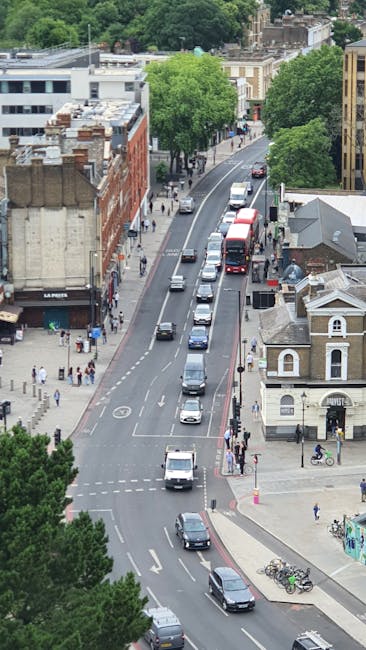
Brownhill Road flat removals Catford access and stairs advice
Moving out of a flat on Brownhill Road can look simple on paper, then suddenly become a whole different story once you're standing in a narrow stairwell with a sofa that feels two sizes too big. That is exactly why Brownhill Road flat removals Catford access and stairs advice matters. The route from front door to van, the width of the landing, the parking outside, the turn on the staircase, the neighbour's pram by the railings - all of it can change how smoothly the day goes.
If you live in a top-floor flat, a converted house, or a purpose-built block in Catford, a little planning saves a lot of stress. In this guide, you'll find practical advice on access, stairs, loading, timing, packing, and the small details people often forget until the van arrives. To be fair, that's usually when the real learning begins.
Table of Contents
- Why Brownhill Road flat removals Catford access and stairs advice Matters
- How Brownhill Road flat removals Catford access and stairs advice Works
- Key Benefits and Practical Advantages
- Who This Is For and When It Makes Sense
- Step-by-Step Guidance
- Expert Tips for Better Results
- Common Mistakes to Avoid
- Tools, Resources and Recommendations
- Law, Compliance, Standards, or Best Practice
- Options, Methods, or Comparison Table
- Case Study or Real-World Example
- Practical Checklist
- Conclusion
- Frequently Asked Questions
Why Brownhill Road flat removals Catford access and stairs advice Matters
Brownhill Road sits in a part of Catford where flat moves can be straightforward one day and awkward the next. Some buildings have decent drive-up access. Others have tight entrances, a shared hallway, steep staircases, awkward turns, or parking that is just far enough away to make every box feel heavier. That is why proper access advice is not a small detail. It is the difference between a move that runs neatly and one that drags on, strains people, and risks damage.
Stairs are one of the biggest variables in any flat removal. A first-floor flat with a wide stairwell is usually manageable. A third-floor walk-up with no lift, low ceilings, and a bend halfway up is another matter entirely. The same is true for bulky furniture. A mattress may be simple enough. A wardrobe, washing machine, or corner sofa can turn into a puzzle that needs calm, patience, and the right lifting technique.
It also matters for cost and timing. If a mover knows there are multiple flights of stairs, restricted parking, or long carries from the van, they can plan labour, vehicle size, and schedule more accurately. No one likes surprises on moving day, especially when the lift is out or the only place to stop is already taken.
Expert summary: The better the access information, the smoother the move. Good stairs advice is not about making a job sound difficult; it is about making sure the team arrives with the right plan, the right kit, and realistic expectations.
How Brownhill Road flat removals Catford access and stairs advice Works
In practical terms, access and stairs advice starts before the van pulls up. The aim is to reduce avoidable friction. That means looking at the route from flat to vehicle, identifying what can be dismantled, checking where the van can reasonably stop, and noting anything that could slow the team down.
A good flat removal usually follows a simple sequence. First comes the survey of the property and the street. Then the move plan. Then packing, lifting, and loading in a way that protects walls, bannisters, and furniture. If there is a lift, the team checks whether it is usable and whether it is large enough for the larger items. If there are stairs only, the movers will often prioritise items by size and weight so the heaviest pieces go out when everyone is fresh.
On Brownhill Road, the street itself can be part of the plan. If parking is tight or loading space is limited, the crew may need to park a little further away and carry items carefully. That sounds minor until you are moving a stack of boxes in the rain, so it is worth planning for that from the start. London weather has a sense of humour, after all.
If you are booking a broader move, you may also want to look at flat removals support alongside services like man with a van or removal services depending on how much you are moving. For furniture-heavy jobs, furniture removals can be especially useful when bulky items need extra handling.
Key Benefits and Practical Advantages
The biggest benefit is simple: fewer surprises. When access details are clear, the removal team can choose the right approach instead of improvising at the front door. That tends to mean fewer delays, less lifting stress, and a lower chance of damaging paintwork, handrails, or the items themselves.
There are also a few practical advantages that people often overlook:
- Better time planning: stair-heavy moves take longer than ground-floor collections, and it helps everyone to know that early.
- Safer handling: heavier items can be moved with more control when the team knows the route in advance.
- Smarter packing: if the stairs are tight, it may make sense to split loads into smaller boxes or dismantle furniture beforehand.
- Fewer access problems: parking, entry codes, and hallway restrictions are easier to sort before moving day.
- Lower stress: you can actually breathe a bit when you know the plan is realistic.
There is a hidden benefit as well: communication. Once you have talked through the access properly, everyone is on the same page. That sounds basic, but in removals it is gold. A minute spent describing the stairwell can save twenty minutes of struggling with a sofa that simply will not turn.
Who This Is For and When It Makes Sense
This advice is useful for almost anyone moving from a flat in or around Catford, but it becomes especially important in a few common situations. If any of these sound familiar, you will want to plan carefully.
- You live in a top-floor flat with no lift.
- Your stairwell is narrow, steep, or has an awkward turn.
- You are moving a lot of furniture rather than just bags and boxes.
- There is limited parking or loading space outside.
- You share an entrance with other residents and need to keep the hallway clear.
- You have heavy, fragile, or awkward items such as mirrors, wardrobes, or white goods.
- You are moving in a hurry and need the job done efficiently.
Students, renters ending a tenancy, first-time movers, and people downsizing all benefit from the same approach. Truth be told, the more familiar you become with your building's quirks, the easier it is to ask the right questions early. Even a quick conversation about staircase width or parking restrictions can stop a lot of hassle later.
If you are comparing options for a smaller move, a man and van arrangement can work well for lighter loads. For people who need short-term holding space because access or completion timings do not line up neatly, storage may be worth considering.
Step-by-Step Guidance
A sensible move is usually less about brute force and more about preparation. Here is a practical way to handle it.
- Walk the route from flat to van. Check every turn, landing, doorway, and stair. If you have to angle a sofa just to get it out of the room, mention that.
- Measure the largest items. Wardrobes, mattresses, desks, and appliances should be measured against doorways and stairwell width. Do not guess. Guessing is how people end up standing in a corridor, silent, looking at a fridge.
- Check parking and loading space. Is there space for a van on Brownhill Road, or will the team need to carry items from further away? If there are parking controls, factor that in.
- Decide what can be dismantled. Beds, tables, and modular furniture often move better in parts. Keep the screws in labelled bags.
- Pack by weight and fragility. Heavy items should go into small boxes. Fragile items should be well cushioned and clearly labelled.
- Tell the removal team about access issues early. Lift unavailable? Tight spiral stairs? Intercom not working? Say it up front.
- Prepare the flat for a clean exit. Clear hallways, protect corners if needed, and keep the path to the door free.
- Keep essentials separate. Put documents, keys, chargers, medication, and one change of clothes somewhere easy to reach.
A small tip that helps more than people expect: leave a little breathing room around the door on moving morning. That one bit of space can make the first load-out feel calmer and safer. Less bumping, less shuffling, less muttered swearing under someone's breath.
Expert Tips for Better Results
In our experience, the jobs that go well tend to have the same traits: clear access details, tidy packing, and realistic expectations. Nothing glamorous. Just solid basics done properly.
One of the best tips is to treat stair clearance like a moving-day asset. If the stairwell is narrow, avoid oversized boxes. If the bend is tight, don't stack too much onto one trolley. If there is a lift, use it wisely and check whether it can take the heavier items first. Little decisions like this can save time without making the move feel rushed.
Here are a few more practical pointers:
- Photograph tricky areas: a quick picture of the stairwell or entrance can help explain the layout better than a long message.
- Protect the building: bannisters, door frames, and corners can be scuffed easily. Simple coverings or careful padding help.
- Work from heavy to light: it is usually better to remove awkward bulky items before the flat is full of loose boxes and half-open bags.
- Label by room: on a stair-heavy move, that makes unloading quicker and avoids extra carrying around the landing.
- Keep a spare route in mind: if the main entrance is blocked, know whether there is a back entrance or alternative access point.
And a slightly human one: do not try to make every item perfect on moving day. Sometimes the smarter move is simply to take the safe route, even if it feels a bit slower. A scratched wall is never worth saving thirty seconds. Never.
Common Mistakes to Avoid
Most moving problems are predictable, which is frustrating and convenient at the same time. The same mistakes come up again and again.
- Underestimating the stairs: a flight can feel longer when you are carrying boxes, especially after the third or fourth trip.
- Forgetting to mention access restrictions: entry codes, timed parking, and lift bookings matter more than people think.
- Packing heavy boxes too full: if a box feels like it should have its own postcode, it is too heavy.
- Leaving dismantling too late: that bed frame will not magically shrink at 7am.
- Blocking hallways: this slows the whole job and creates trip hazards.
- Assuming every van can stop right outside: sometimes it cannot, and that changes the labour needed.
Another common one is not checking the moving route inside the flat itself. People focus on the staircase but forget the awkward door swing from the kitchen, or the radiator that narrows the hallway by just enough to make things fiddly. Tiny detail, big effect.
Tools, Resources and Recommendations
You do not need specialist equipment for every flat move, but the right basics make a noticeable difference. A few simple tools are usually worth having on hand.
- Measuring tape: essential for doorways, furniture, and stair turns.
- Felt pads or corner protectors: useful for protecting paintwork and furniture edges.
- Strong packing tape and labels: keeps boxes secure and easier to identify.
- Furniture blankets or wraps: helpful for sofas, tables, and wooden items.
- Basic toolkit: screwdrivers, Allen keys, and a small bag for fixings.
- Gloves with grip: handy for safer carrying and better hold on awkward items.
For moving-heavy days, services such as packing and boxes and packing and unpacking services can save time and reduce the chance of overfilled boxes. If you are moving larger household items too, furniture pick up can help with individual pieces that need careful handling.
If you are comparing suppliers, look beyond headline price. Ask what is included, whether stairs and long carries are factored in, and how access complications are handled. A clear quote is usually a better sign than a cheap one with lots of grey areas.
Law, Compliance, Standards, or Best Practice
For a flat move, the main compliance issues usually sit around safety, insurance, access, and fair handling of property. There is not one universal rulebook for every staircase in Catford, so the sensible approach is to follow standard UK removals best practice and be cautious where risks exist.
That generally means working safely on stairs, not overloading lifting equipment, and ensuring the moving team understands any hazards before they start. It also means respecting shared spaces in flats, keeping communal areas clear where possible, and avoiding damage to the building fabric. If you are in a managed block, building rules about lift use, booking slots, or loading bay access may also apply.
Insurance matters too. If the job involves narrow staircases, high-value items, or a complex access route, it is wise to understand what cover is in place before moving day. You can read more about the company's approach through its insurance and safety information and health and safety policy. For payment reassurance, there is also a dedicated payment and security page.
Best practice is not about being formal for the sake of it. It is about making sure the move is safe, organised, and fair to everyone involved, including neighbours who would rather not find a mattress wedged in the communal entrance at 8:15 in the morning.
Options, Methods, or Comparison Table
Not every flat move needs the same setup. Here is a simple comparison to help you choose a sensible approach.
| Move type | Best for | Strengths | Things to watch |
|---|---|---|---|
| Small van move | Light loads, boxes, student items, a few furniture pieces | Flexible, often quicker for compact moves | May need extra trips if furniture is larger than expected |
| Standard flat removal | Typical one- or two-bedroom flat moves | Balanced approach for stairs, furniture, and boxes | Needs accurate access details to stay efficient |
| Full removal service | Heavier loads, many rooms, awkward access, or busy schedules | More support, more planning, less lifting pressure on you | Can cost more, but may save hassle overall |
| Same-day removal | Urgent moves or last-minute changes | Fast response when time is tight | Less flexibility, so access details matter even more |
If you are still weighing up options, it can help to compare a broader removals service with a more flexible man with van approach. For people moving between rented flats or university housing, student removals may be the neatest fit.
Case Study or Real-World Example
Picture a common Brownhill Road scenario. A tenant is moving from a second-floor flat with a narrow staircase, no lift, and a front entrance that opens onto a busy stretch of road. They have a sofa, bed frame, two bookcases, white goods, and the usual mountain of boxes that never looks as big until it is all by the door.
Instead of leaving access checks until the morning, they measure the stairwell a few days beforehand, dismantle the bed frame, and label the heavy boxes separately. They also tell the removal team that the parking bay is often occupied and that the sofa will need to be turned on the landing. That one detail makes a real difference, because the crew can plan the order of loading and bring the right lifting gear.
On moving day, the job still takes effort. It is stairs, after all. But the flow is calm. No awkward guessing. No last-minute panic. The sofa goes out first, the boxes follow, and the final sweep of the flat takes minutes rather than half an hour. It is not glamorous, but it works. And that is what most people actually want.
That kind of preparation is especially useful if you are booking home moves support for a larger household move, or if you need extra help with awkward pieces through furniture removals.
Practical Checklist
Use this checklist before your Brownhill Road flat removal. It is simple, but it covers the things that matter.
- Measure the largest furniture and appliances.
- Check the width of doors, stair turns, and landings.
- Confirm whether there is a lift, and whether it is working.
- Check parking and loading restrictions outside the property.
- Ask about any entry codes, keys, fobs, or booking slots.
- Decide what should be dismantled before moving day.
- Pack heavy items into smaller boxes.
- Label fragile boxes clearly and keep them easy to spot.
- Protect floors, walls, and bannisters where needed.
- Keep essentials separate for easy access.
- Tell the movers about tight access, long carries, or awkward turns.
- Leave a clear path from the flat to the exit.
If you tick most of those boxes, the day will usually feel much more manageable. Not effortless, perhaps - moves rarely are - but a lot calmer.
Get a free quote today and see how much you can save.
Conclusion
Brownhill Road flat removals are rarely difficult because of one single problem. More often, it is the combination of small things: the stairs, the parking, the landing, the awkward furniture, the timing, the shared entrance. Once you look at access as part of the moving plan rather than an afterthought, the whole job becomes easier to handle.
The best approach is simple. Measure carefully, explain the route, pack sensibly, and choose the moving support that matches the property rather than the other way round. If you do that, you will spare yourself a lot of pressure on the day and give the move a far better chance of feeling controlled rather than chaotic. And honestly, that peaceful little moment when the last box is safely in the van? Worth it.
Frequently Asked Questions
What should I tell a removal team about Brownhill Road access?
Tell them about stairs, lifts, parking, entry codes, narrow hallways, long carries, and any awkward furniture. The more accurate the detail, the easier it is to plan the job properly.
Do stairs make a flat move more expensive?
They can, because stairs usually mean more time, more labour, and sometimes more care with bulky items. The exact cost depends on the property, the load, and how straightforward access is.
How do I measure if a sofa will fit down the stairs?
Measure the widest part of the sofa, the stair width, the landing depth, and the tightest turn. If you are unsure, send the measurements to the mover and ask whether dismantling or a different angle will help.
What if my flat has no lift?
That is very common, especially in older conversions and upper-floor flats. The key is to let the movers know early so they can plan the timing, labour, and lifting approach with the stairs in mind.
Should I dismantle furniture before moving day?
Yes, if it makes the move safer or easier. Beds, tables, and some wardrobes often move better in parts. Just keep the fixings in labelled bags so reassembly is less of a headache later.
Is man and van enough for a flat removal?
Sometimes yes, especially for lighter loads or smaller flats. If you have several heavy items, lots of boxes, or awkward stairs, a fuller removal setup may be more suitable.
What happens if parking outside Brownhill Road is limited?
The team may need to park further away and carry items a longer distance. That is another reason to mention access and parking details before moving day, not after the van has arrived.
How do I protect stairwells and walls during a move?
Use protective coverings where appropriate, move slowly on tight turns, and avoid overloading trolleys or carrying items that are too big for the route. Good handling matters more than rushing.
Can I book storage if my move dates do not line up?
Yes, storage is often useful when completion dates, tenancy dates, or access timing do not match neatly. It can take pressure off the moving day and keep the process flexible.
What should I pack separately for moving day?
Keep keys, chargers, medication, documents, a phone cable, basic toiletries, and a change of clothes in a separate bag. That way you are not digging through boxes at the end of a long day.
How far in advance should I arrange a flat removal?
As early as you reasonably can, especially if the property has difficult access or if you need a specific time slot. Good movers can work quickly, but planning ahead is still the best way to reduce stress.
What if my staircase is very narrow or has a tight bend?
Say so clearly before the move. Tight stairs may require smaller loads, item dismantling, more careful lifting, or a different moving method altogether. It is better to plan for the awkward bit than pretend it is not there.
Where can I find more information about the company's approach?
You can learn more through the company's about us page, review the terms and conditions, and check the pricing and quotes information before you book.
What is the best single tip for a smoother flat move?
Be accurate about access. If you get the stairs, parking, and building entry details right from the start, almost everything else becomes easier to manage.